
Brownfield Reclamation in the Ruhr Valley
How the Ruhr district converted over a century of heavy industrial land use into green corridors, parks, and ecological zones — anchored by the IBA Emscher Park process.
Post-Industrial Landscape Restoration · Germany
A reference on how Germany has approached the transformation of former coal, steel, and chemical sites — from land remediation to ecological colonisation and cultural preservation.
Featured Articles
Three areas where Germany has developed distinct approaches to post-industrial land: active remediation in the Ruhr, natural colonisation processes across former industrial areas, and the preservation of built industrial heritage.
How the Ruhr district converted over a century of heavy industrial land use into green corridors, parks, and ecological zones — anchored by the IBA Emscher Park process.
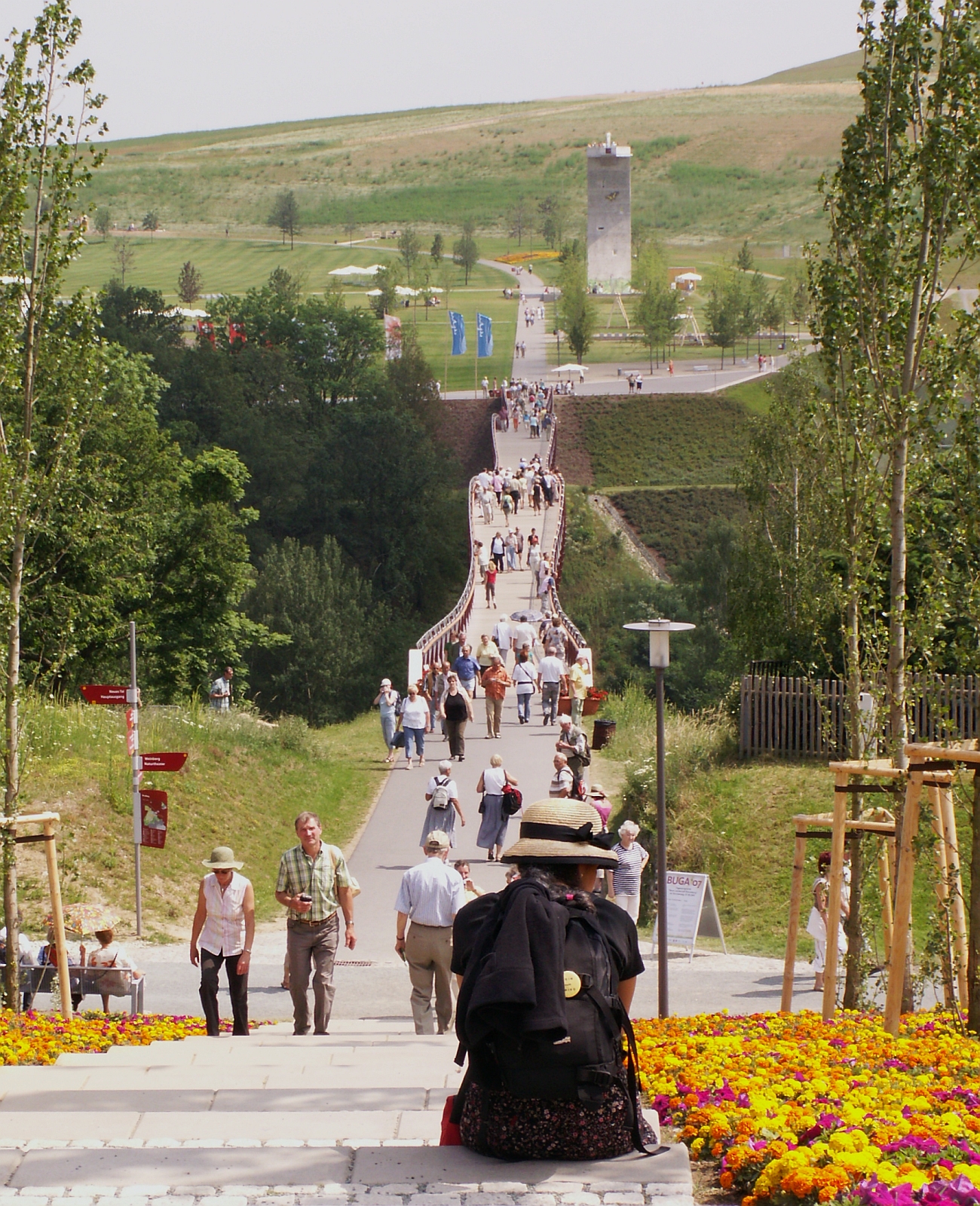
What grows back on abandoned industrial sites, and why Germany has developed specific frameworks for managing — and sometimes protecting — spontaneous vegetation on brownfields.

An overview of Germany's major preserved industrial sites — from the Zollverein Coal Mine complex in Essen to the Völklinger Hütte ironworks in Saarland — and the legal frameworks that protect them.
About This Resource
Cindergrove documents the processes, policies, and outcomes associated with post-industrial land in Germany. The country has one of the most extensive records of industrial site transformation in Europe, shaped by decades of structural change in coal, steel, and chemical industries across the Ruhr, Saarland, Lausitz, and former East German regions.
Content draws on publicly available planning documents, site documentation, and research from German federal and regional agencies. No data is invented or extrapolated.
For background on the site or to submit a correction, see the About page.